Complex ideas — physics, math, code, music — drawn by hand and set in proper type, at your level. A book that answers back.
Nothing is too hard to understand — only poorly explained.
Physics, math, music, code, history, philosophy. A line will do — the harder the better.
Diagrams in the style of a 19th-century plate. Math set properly. Code where the subject earns it. At your level — curious, familiar, or expert.
Highlight any sentence. The page replies in the margin — in the voice of the text, never your assistant's.
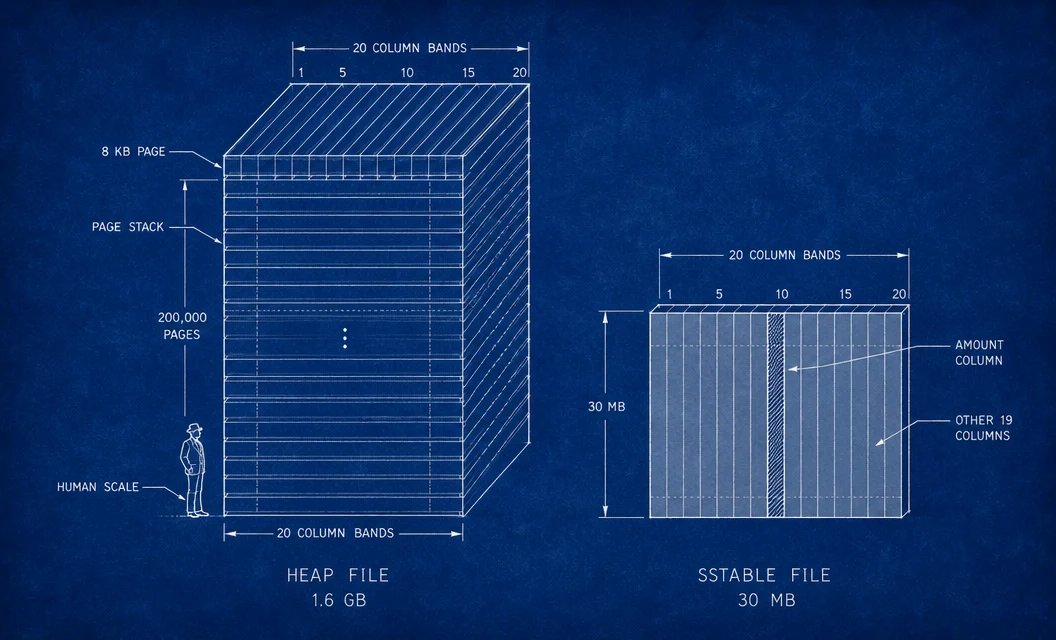
Diagrams in the style of a 19th-century natural-history plate — drawn for the page they sit in. Never stock. Never generic.
Cross-sections. Phase portraits. Schematic engines. Binding-energy curves. The mathematics, set in proper math. The code, where the subject earns it.
Drop caps. Pull quotes. Diagrams set inline where the prose calls for them. Equations rendered as math, not screenshots.
Choose the length, the level, the voice — the same subject rewrites itself for the room you brought.
Highlight a sentence. The book replies in the margin — in the voice of the page.
No prefaces. No “great question.” The answer is part of the volume from the moment you ask.
supernovae & what comes after· the Diesel cycle· Fermat's last theorem· neutron stars, from the inside out· Brunelleschi's dome· Postgres internals· Cantor's infinities· how a sonnet works· the event loop· cryptography by hand· the well-tempered clavier· Wittgenstein on language· Borges & the labyrinth
… or anything else. →
The opposite of an infinite feed is a finished book.
Cancel any time — the volumes remain yours, exported in proper type.
The hard things, made clear — drawn, set in proper type, and ready to read in a minute. Free for your first.